We’ve all scrolled past those impossibly chic street-style shots and thought, “She must have dropped a month’s rent on that outfit.” Here’s the secret: looking expensive has a lot less to do with what you spend and a lot more to do with how you put it together. Style is in the details, not the digits on a receipt. With the right approach, you can pull off a high-end look while still having enough left over for brunch (and maybe dessert).
Know Your Neutrals
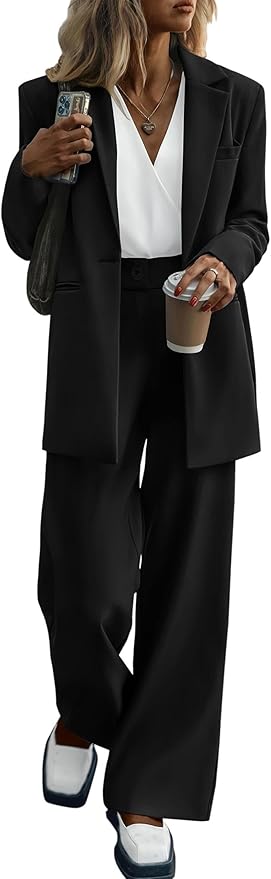
There’s a reason fashion insiders live in shades of black, beige, cream, navy, and white—these colors just look expensive. Neutrals give off a timeless, polished vibe and mix effortlessly with each other.
Tip: Build a base wardrobe of neutral staples—a black blazer, a cream knit, tailored trousers—then weave in trendier pieces when you feel like it.
Bonus: Neutrals hide signs of wear better than brights, so your clothes stay looking new for longer.
Fabric Is Everything
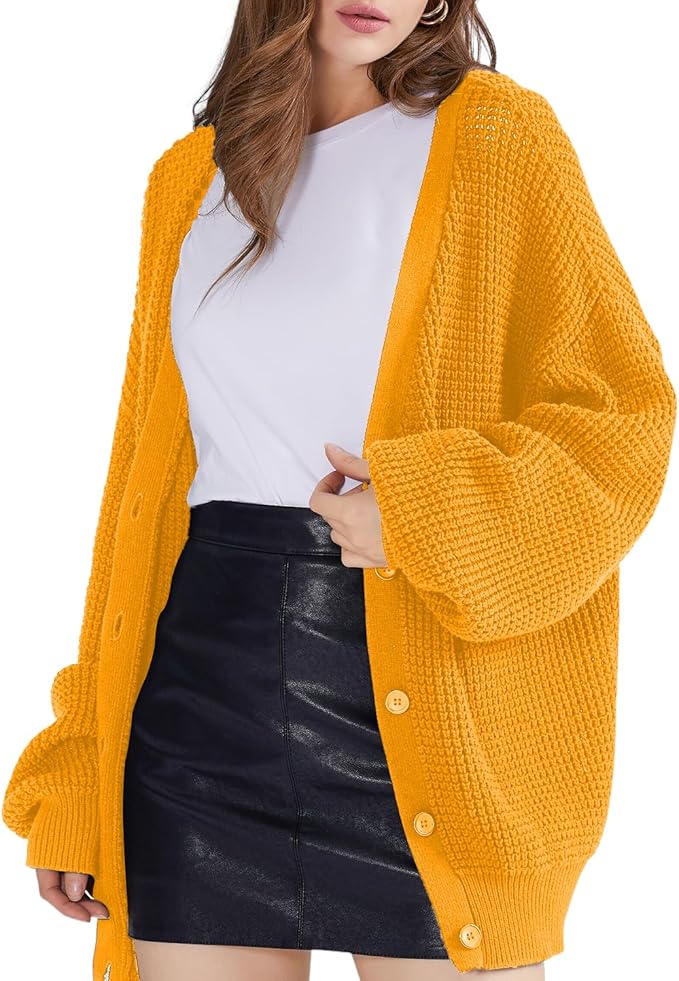
A $25 sweater in the right fabric will look better than a $200 one in the wrong one. Materials like linen, cotton poplin, cashmere blends, and wool give an outfit structure and richness. On the flip side, shiny, flimsy synthetics can cheapen a look instantly.
Shopping hack: Flip the garment inside out. If the stitching is neat and the fabric feels substantial, you’ve probably found a winner.
Thrift trick: Vintage stores are goldmines for quality fabrics—especially wool coats and silk blouses—at a fraction of their original price.
Fit Over Fancy
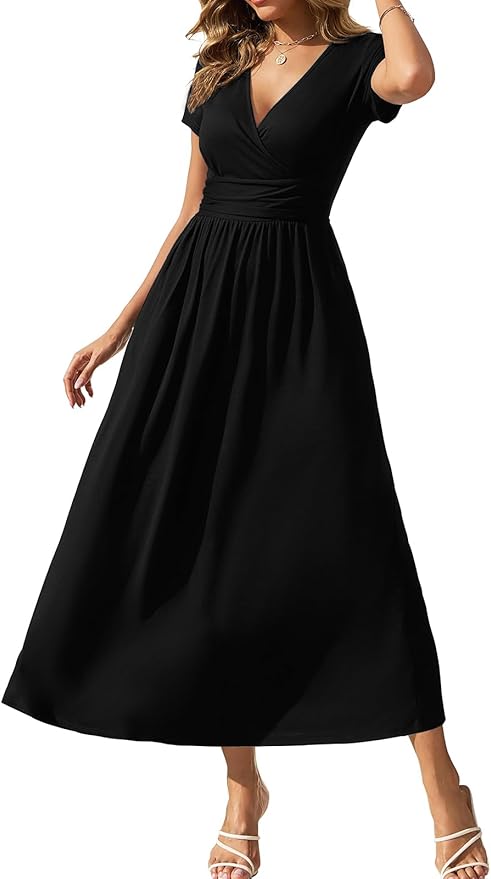
No matter the price tag, if your clothes don’t fit well, they’ll never look high-end. Tailoring is your best friend here.
Shorten those too-long trousers.
Nip in a blazer at the waist.
Have a hemline adjusted to hit you just right.
A simple $15 alteration can make a $30 dress look like it walked off a designer runway.
Swap Logos for Minimalism
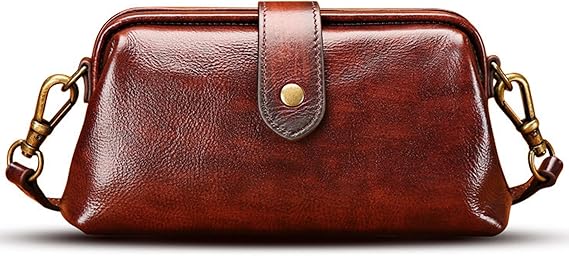
Large, in-your-face brand logos scream “trying too hard.” Quiet luxury—the style everyone’s buzzing about—is all about understatement. Think clean lines, solid colors, and subtle details.
Instead of a monogrammed tote, choose a sleek, structured bag in a versatile color.
Skip the T-shirt with a giant label across the chest; opt for a plain, well-cut tee instead.
Pay Attention to Shoes and Bags
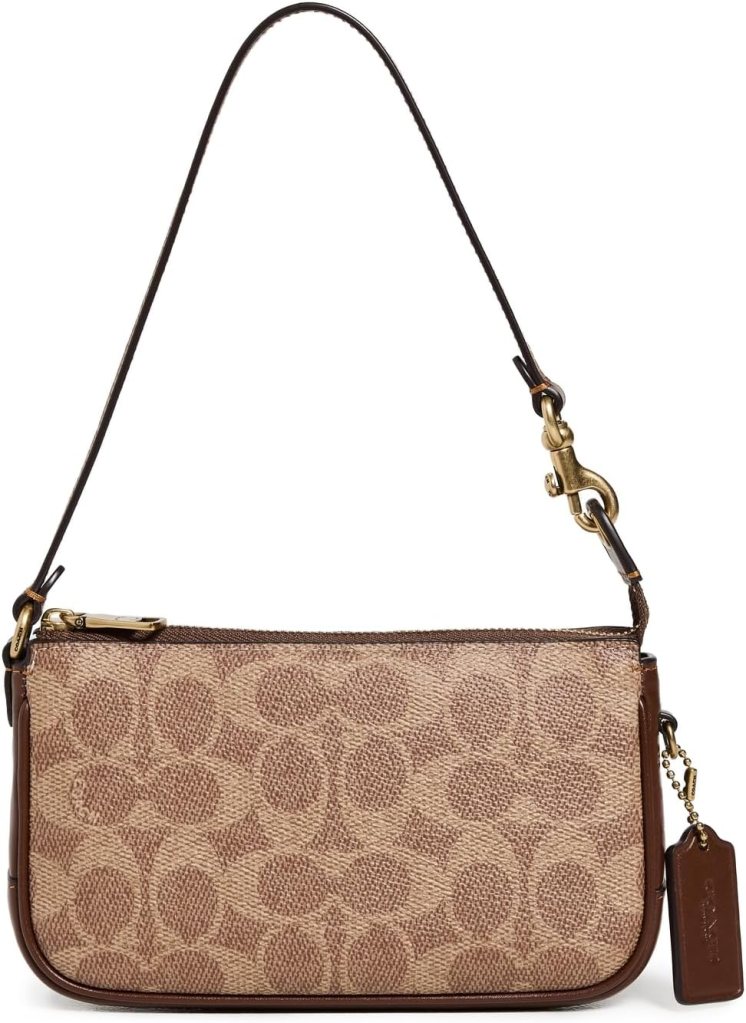
Your accessories do a lot of the heavy lifting in making an outfit look luxe. You don’t need to buy designer, but you do need to choose styles that look structured and well-made.
Look for shoes with clean silhouettes—pointed-toe flats, ankle boots, loafers—and keep them scuff-free.
For handbags, avoid floppy shapes unless they’re intentionally slouchy; structured styles tend to look pricier.
Jewelry: Less Flash, More Class
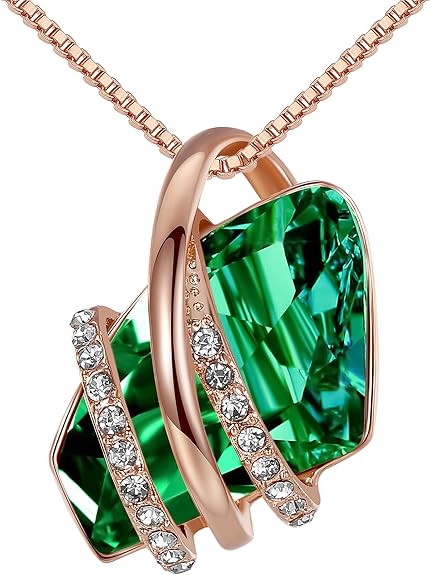
When it comes to looking expensive, jewelry should feel like an accent, not a billboard.
Dainty gold or silver hoops, a simple pendant necklace, or a minimal bangle can elevate a whole outfit.
Swap overly sparkly rhinestones for matte finishes or semi-precious stones. They look more sophisticated and won’t date as quickly.
Grooming Matters

Even the most beautiful clothes won’t look their best if the rest feels neglected. Polished hair, clean nails, and a fresh face go a long way toward making you look put-together.
You don’t have to spend hours—sleek ponytails, neat buns, and natural makeup are quick but effective.
A lint roller, a good steamer, and a habit of checking for missing buttons will keep your clothes in top shape.
Monochrome Magic
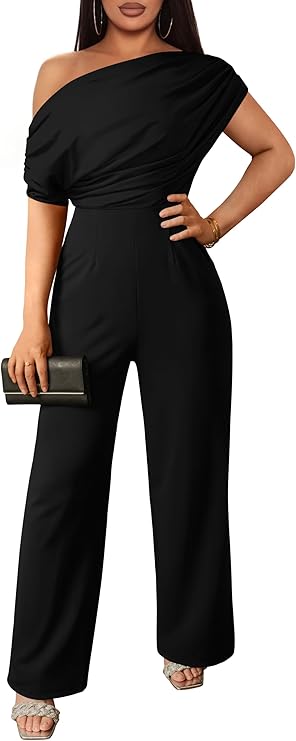
Wearing one color from head to toe (or varying shades of the same color) instantly makes you look taller, slimmer, and more expensive.
Try all-black for drama, all-white for a summer-ready look, or soft taupes for a cozy, chic vibe.
Add texture—a chunky knit with smooth trousers—to keep it interesting.
Smart Layering
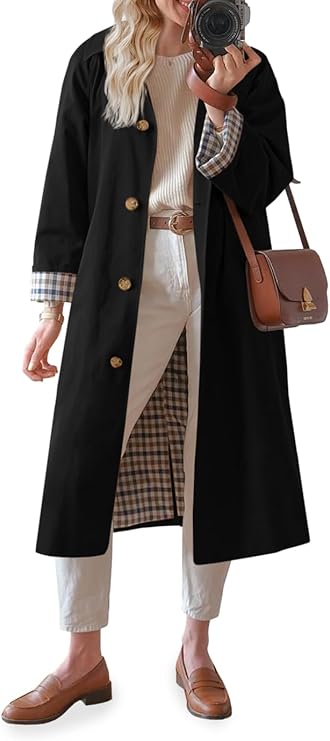
Layering adds depth and polish to even the simplest outfits. Think:
A longline coat over a fitted turtleneck and tailored trousers.
An oversized blazer draped over the shoulders with jeans and a crisp shirt.
Layering shows you’ve thought about your outfit, and that intentionality reads as luxury.
Invest in Care, Not Just Clothes

Sometimes, it’s not about buying more—it’s about taking care of what you have.
Hand-wash delicate fabrics.
Store shoes with inserts to keep their shape.
Use a fabric shaver to remove pilling from sweaters.
The better your clothes look over time, the more expensive they’ll seem.
Style Is in the Details
Looking expensive isn’t about chasing designer labels—it’s about creating a sense of polish and confidence. When you choose quality fabrics, focus on fit, and take care of your clothes, you can turn even budget buys into outfits that look like a million bucks. The best part? You’ll not only save money, but you’ll also develop a personal style that feels timeless, authentic, and entirely your own. And that’s something no price tag can compete with.
 Looks for Less
Leave a comment